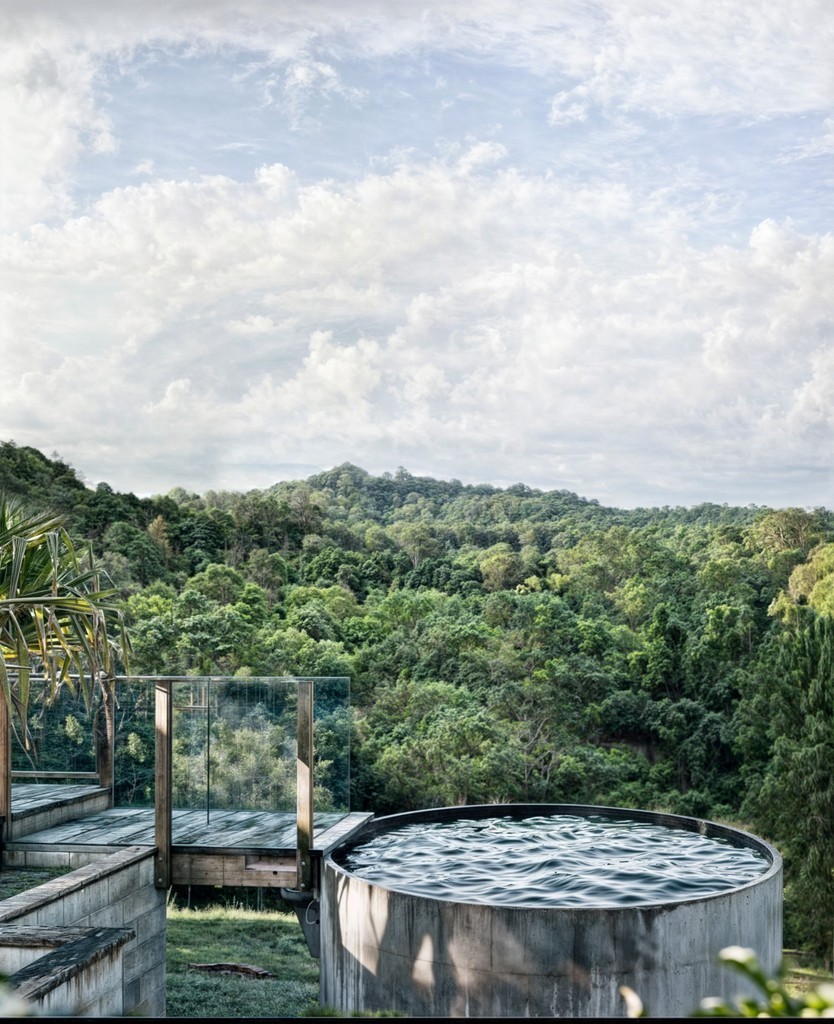
A Professional Guide to Choosing the Right Precast Concrete Plunge Pool

Small backyards shouldn't mean giving up on the dream of having a pool. That's where precast concrete plunge pools have really changed the game for homeowners who want something compact, stylish, and built to last.

If you're considering a plunge pool for your property, you've probably noticed there are more options now than ever before. The process can feel overwhelming, especially when you're trying to balance design preferences with practical concerns like installation, maintenance, and budget. This guide breaks down what you need to know to make a smart choice.

Understanding Precast Concrete Plunge Pools

Unlike traditional pools that are built on-site over several weeks or months, precast concrete plunge pools are manufactured in a controlled factory environment. The entire shell is formed, cured, and finished before it ever arrives at your home. This approach offers some real advantages over conventional construction methods.

The manufacturing process ensures consistent quality. Because the pool is made under controlled conditions rather than exposed to weather variables, you're less likely to deal with structural issues down the road. Our manufacturing process uses reinforced concrete with steel rebar, creating a shell that's genuinely built to handle decades of use.

Size-wise, plunge pools typically range from about 3.7m – 5m in length. They're designed for cooling off, light exercise, or relaxation rather than lap swimming. For many homeowners, that's exactly what they need without taking over the entire yard.

Key Factors in Your Selection Process

Space and Site Assessment

Before you get too attached to a specific design, take honest measurements of your available space. You'll need room not just for the pool itself but also for access during installation. A crane or other heavy equipment will need clearance to position the pool shell.

Check with your local building department early in the process. Many areas have setback requirements that dictate how close a pool can be to property lines or structures. Some neighborhoods have homeowner association rules that might affect your choices too.

Quality of Construction

Not all precast pools are created equal. Ask potential manufacturers about their concrete mix, curing process, and reinforcement methods. A quality pool shell should be at least 100mm thick with proper steel reinforcement throughout.

Look at the finish options carefully. The interior surface affects both aesthetics and how the pool feels underfoot. Companies like Plungee have built their reputation on attention to these construction details, which matters when you're making a significant investment.

Installation Considerations

One of the biggest selling points of precast concrete plunge pools is the installation timeline. Most can be positioned and filled within a day or two, assuming the site preparation work is complete. That's a massive time savings compared to traditional pool construction.

However, site prep still matters. You'll need a properly compacted base, often with gravel and sand layers. Drainage is critical too. Without proper planning, you could end up with groundwater issues that compromise the pool's stability over time.

The delivery and crane placement is honestly pretty impressive to watch, but it requires coordination. Make sure you understand what access the installation crew needs and whether any trees, fences, or structures might need temporary removal.

Long-Term Maintenance and Durability

Concrete pools have a reputation for durability that's well-earned. With proper care, a quality precast concrete plunge pool can last 50 years or more. The concrete itself is resistant to UV damage and won't fade like some liner materials.

Maintenance requirements are straightforward. You'll need to balance the water chemistry regularly, clean the filter system, and occasionally resurface or seal the concrete. Most homeowners find the routine manageable, especially with a smaller water volume compared to full-size pools.

Budget for resurfacing every 10 to 15 years. While the concrete shell itself will last much longer, the interior finish will eventually show wear. The good news is that refinishing technology has improved significantly, with options ranging from paint and plaster to modern aggregate finishes.

Working With the Right Supplier

Your experience will largely depend on choosing a reputable manufacturer. Look for companies with a solid track record, verifiable references, and comprehensive warranties. A manufacturer that stands behind their product with at least a structural warranty of 8 years shows confidence in their construction quality.

Plungee and other established brands typically offer design consultations that help you think through placement, equipment needs, and finishing touches. These conversations are valuable because experienced manufacturers have seen what works and what creates problems later.

Making Your Final Decision

Choosing the right precast concrete plunge pool comes down to matching your specific needs with quality construction. Think about how you'll actually use the space, what your property can accommodate, and what your realistic budget is for both installation and long-term maintenance.

The best approach is to visit installed pools if possible. Seeing different sizes and finishes in real settings gives you a much better sense of what will work for your situation than looking at brochures alone.

A well-chosen plunge pool becomes a natural extension of your outdoor living space. It's not about getting the biggest or fanciest option but rather finding something that fits your lifestyle and property while being built well enough to last for decades.

The Spiral Plungee is a concept we’ve been envisioning for some time—an all-in-one solution for an above-ground pool. We’re excited about this design and are working to bring it to backyards across New Zealand.

Stay tuned as we develop the Spiral Plungee and more innovative Plungee designs for endless backyard splashing and fun.